Can You Get Funding as a Fashion Entrepreneur?
A Practical, Data-Led Guide to Fashion Startup Funding in 2026
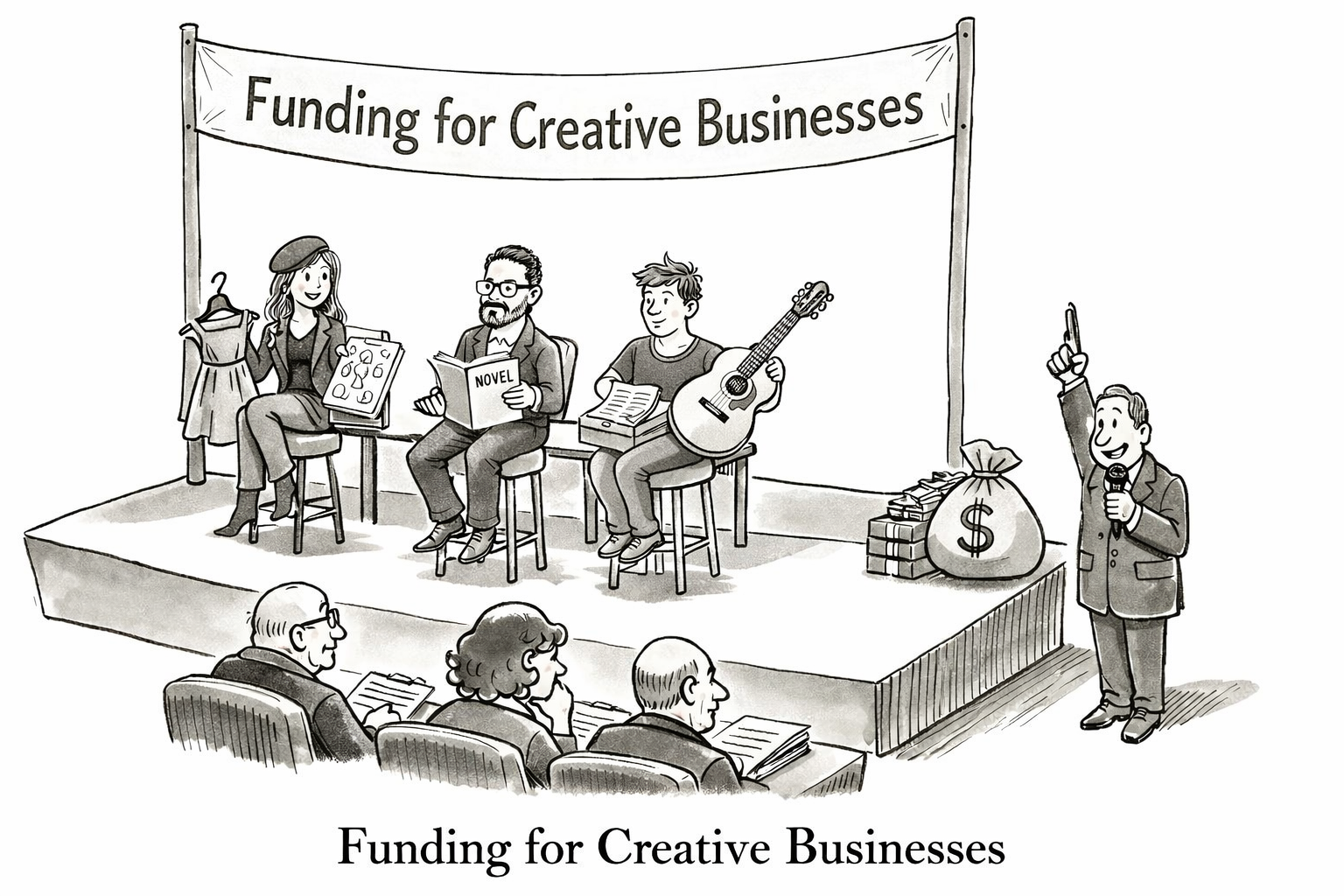
Raising capital as a fashion entrepreneur has never been simple. Fashion sits at the intersection of creativity, consumer behaviour and capital-intensive operations, which makes it difficult to fund using traditional startup logic.
Yet funding is available. The difference in 2026 is that capital is far more selective, and fashion founders are expected to demonstrate operational maturity much earlier than before.
So can you get funding as a fashion entrepreneur?
Yes. But only if your business model is structured in a way capital can understand, assess and scale.
This article breaks down:
the current funding climate for fashion startups
the most realistic funding options for fashion entrepreneurs
what investors actually look for in fashion businesses
how founders can prepare themselves to raise capital successfully
The fashion funding landscape in 2026
The era of easy money is over. Global venture investment has tightened significantly, and consumer brands are among the most scrutinised categories.
According to PitchBook data cited by Reuters, global venture capital investment dropped to $75.9 billion in Q1 2025, the lowest level in nearly five years. Deal volume also declined, signalling a broader risk-off environment.
At the same time, the fashion industry itself is operating under pressure. The BoF–McKinsey State of Fashion reports show that a majority of fashion executives expect trading conditions to remain challenging, with rising costs, softer demand and ongoing margin compression.
For early-stage founders, this means one thing: you are competing based on your ability to demonstrate demand, discipline and financial logic, not just ideas or design alone.
Why most fashion startups struggle to raise funding
There is a persistent belief that “investors don’t fund fashion.”
The truth is more specific.
Investors do not fund unstructured fashion businesses.
The most common reasons funding conversations fail:
unclear positioning and target customer
too many products too early
weak or unproven unit economics
no cashflow planning
a mismatch between the funding type and the business model
So, in other words, fashion is not ignored by investors. It is filtered.
The 6 most realistic funding options for fashion entrepreneurs
1. Customer-funded growth (pre-orders and small batch drops)
Through personal experience, I’ve learned that the best investors are often your customers. For early-stage fashion brands, customer support can be the most powerful form of funding.
Pre-orders validate demand, reduce inventory risk and generate cash before production. They also create the strongest possible proof point for future investors.
Best suited for: emerging designers, early launches.
Key requirement: clear delivery timelines and reliable production planning.
2. Crowdfunding for fashion brands
Reward-based crowdfunding platforms such as Kickstarter continue to fund fashion and accessories, particularly when the product solves a clear problem or introduces functional innovation.
Crowdfunding works when it is treated as both:
a funding mechanism
a structured go-to-market strategy
Founders must price rewards carefully and build in buffers for manufacturing and fulfilment costs.
Best suited for: hero products, functional design, innovation-led fashion, accessories.
Brand Example:
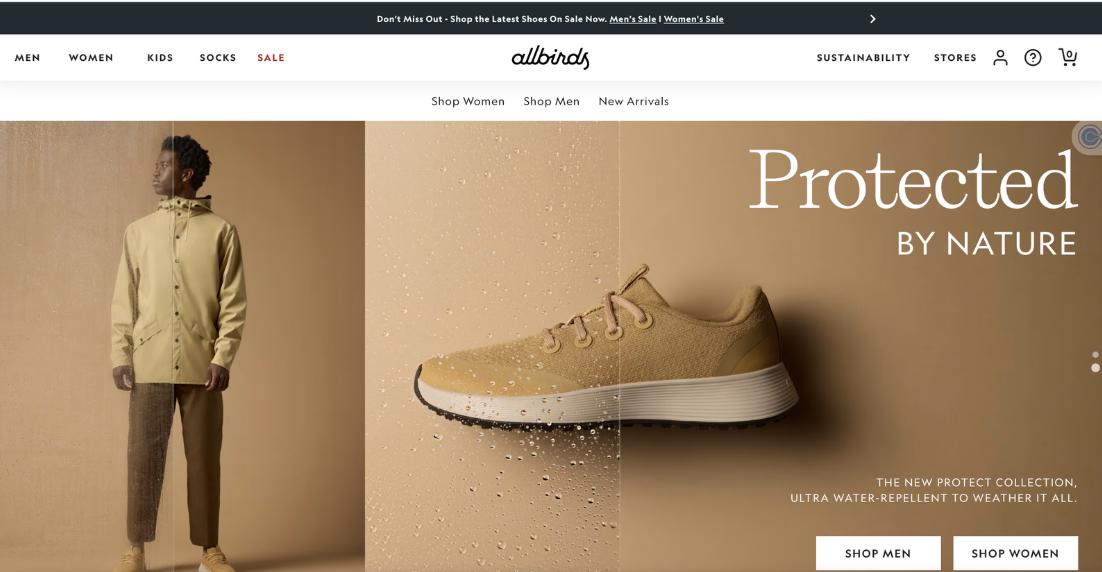
Allbirds, at the time named "Three Over Seven", is a footwear company that gained widespread attention when it launched on Kickstarter in 2014. The company's primary goal was to create a more environmentally sustainable shoe. To achieve this, Allbirds uses natural materials such as merino wool and eucalyptus tree fiber in its manufacturing process, which also minimises waste.
In just 5 days, they hit their maximum pledge target, and while there were still 24 days left to run, they decided to stop the campaign at 1064 pairs to focus on delivering the very best possible product to their backers at a scale they were comfortable with.
Their goal was to raise $30,000, but they sold out in 5 days and raised $119,196 from 970 backers.
3. Grants and non-dilutive funding (UK & EU)
Non-dilutive funding remains one of the most underused resources in fashion.
In the UK, the British Fashion Council operates structured programmes such as:
NEWGEN, which provides financial support and platform access to emerging designers
BFC Fashion Trust, which supports defined growth projects
BFC Foundation initiatives, which fund talent development and commercialisation
Grants offered by the European Union and local business support institutions
Government-commissioned evaluations of these programmes show that they are treated as economic interventions, not creative subsidies, with measurable return on public investment.
Best suited for: emerging designers, early-stage brands, founders building credibility and commercial foundations.
4. Angel investment for fashion startups
Angel investors are often the first equity backers for fashion brands. They tend to invest earlier than institutions and place strong emphasis on the founder’s execution ability.
Fashion angels typically look for:
early sales traction
wholesale interest or repeat customers
founder credibility and industry access
a clear use of funds
Best suited for: brands with early proof of demand that need working capital to scale.
5. Venture capital in fashion
Venture capital is possible in fashion, but it is not the default path.
VC investors typically back:
fashion technology platforms
AI and data-driven tools
supply chain or resale infrastructure
consumer brands with exceptional growth and repeat purchase
Pure product brands without scalability or defensible differentiation rarely fit VC models.
Best suited for: fashion-tech, platform businesses, infrastructure, breakout consumer brands.
6. Debt, revenue-based and hybrid finance
For brands with predictable demand, non-equity finance can be more appropriate than giving up ownership.
This includes:
purchase order financing
inventory lending
revenue-based financing
These options require clean financials and reliable margins but allow founders to retain control.
Best suited for: brands with consistent sales, wholesale orders or repeat restocks.
What investors actually look for in fashion businesses
Regardless of funding type, successful fashion funding conversations tend to include the same elements:
1. Clear positioning
Who the brand is for, what problem it solves, and why it wins.
2. Product focus
One or two strong products outperform scattered collections.
3. Strong unit economics
Margins, pricing logic, return rates and fulfilment costs must be defensible.
4. Cashflow awareness
Fashion businesses fail from cash gaps, not lack of profit.
5. Credible go-to-market strategy
Sales channels must align with capital and operational capacity.
So… can you get funding?
Yes — but the more useful question is: which funding route is the smartest for your stage?
Funding rarely fails at the pitch stage. It fails much earlier, at the level of structure.
This is where I work with founders.
I help fashion entrepreneurs translate creative vision into a business model that investors, grant panels and financial partners can actually assess. That means moving from intuition and aesthetics to clear logic, numbers and sequencing.
In practice, this looks like:
1) Clarifying the right funding path
Not every brand should raise VC. Not every founder should give away equity.
I help you identify which route makes sense for your model: pre-orders, crowdfunding, grants, angels, hybrid finance or strategic investment, and in what order.
2) Turning ideas into fundable logic
Together, we build:
a focused product strategy
a clear positioning narrative that answers “why this brand, why now”
a go-to-market plan that matches your capital reality
3) Fixing the numbers investors actually care about
I work hands-on with founders to structure:
unit economics and contribution margins
realistic pricing and cost assumptions
cashflow timing, not just profit
funding use cases that are credible and measurable
Together, we will develop a comprehensive financial model that you can easily interpret and explore yourself, ensuring confidence in your financial decisions.
4) Preparing you for real conversations
Whether you are applying for grants, speaking to angels, or preparing a crowdfunding campaign, I help you frame:
what problem you are solving
how demand is proven or will be proven
what the capital unlocks in concrete terms
how risk is reduced at each stage
The bottom line
Funding is not a reward for creativity. It is a tool for businesses that are ready to absorb capital and grow. Money itself is not the end goal.
My role is to help you reach that point faster, with fewer expensive mistakes, and with a structure that supports growth rather than stress.
If you want clarity on whether you should raise capital at all, which route fits your brand, and what proof you need before approaching investors, that is exactly the work I do.