The Fashion Awards 2025: What Small and Emerging Brands Must Learn from London’s Biggest Night
When the Royal Albert Hall hosted The Fashion Awards 2025, the headlines focused on blue carpet glamour and celebrity moments. Yet beneath the spectacle, the ceremony revealed something far more important for the future of the industry.
The winners, the omissions, and the overall tone pointed to a clear message:
“Creativity still matters, but business discipline now defines who survives.”
For emerging brands entering 2026 amid slower consumer spending, rising costs, and increased competition, London’s biggest fashion night offered both a blueprint and a warning.
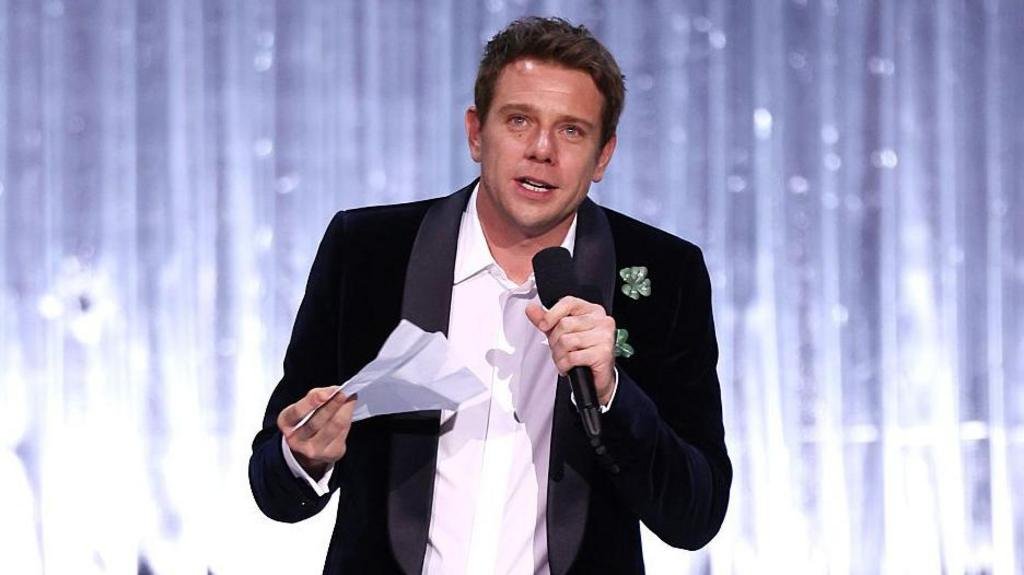
BBC, UK / Jonathan Anderson wins Fashion Awards designer of the year 2025
1. Creativity leads
Jonathan Anderson’s win as Designer of the Year (for JW Anderson and Dior Menswear) was widely expected. However, his success reflects more than artistic brilliance.
It represents the new industry standard:
clear brand architecture
disciplined product strategy
narrative consistency across houses
a commercial understanding of audience and demand
According to the BoF & McKinsey State of Fashion 2025 Reports, brands that demonstrate strong strategic focus show higher resilience and stronger margin performance, especially in volatile markets.
Many emerging labels attempt to replicate the “creative magic,” but lack the underlying structure. The awards highlighted that today’s celebrated designers operate with:
✔ defined brand direction
✔ audience clarity
✔ intentional product development
Creativity without structural clarity is no longer enough.
2. The rise of hybrid creatives is reshaping fashion
The awards recognised a new generation of multidisciplinary creators:
Grace Wales Bonner (Menswear)
Little Simz (Cultural Innovator)
Kate Hawley (Costume Designer of the Year, new award)
This reflects a broader shift. Fashion now operates at the intersection of music, film, performance, digital culture, and gaming. You might say it has always been this way, but it is finally receiving the appreciation it deserves, reflected in the creation of the new award for “Costume Designer of the Year.”
Consumer behaviour supports this shift. Lyst’s 2024 Culture Index found that a significant portion of Gen Z’s engagement with fashion originates outside traditional fashion channels, including entertainment, gaming, and social creators.
For small brands, this means one thing:
Don’t think that your value is just the product. Your value is the world you build around it.
This is where small brands have an advantage: agility.
You can build a universe faster than a corporate brand… but only if you’re intentional.
3. Missing at the Awards: Sustainability

Image: Hypebeast / Brunello Cucinelli To Receive Outstanding Achievement Award
Outside of Brunello Cucinelli receiving the Outstanding Achievement Award for humane and slow production, sustainability was notably absent from this year's ceremony.
This silence stands in contrast with global data:
Fashion accounts for 3–8% of global emissions (UNEP).
Consumers still express interest in sustainable products, but price sensitivity has increased (McKinsey).
Luxury often assumes inherent sustainability due to low-volume, craftsmanship-focused production. But the lack of mention suggests a shift away from sustainability rhetoric in high-visibility moments.
More importantly, the event also sidestepped financial sustainability, a challenge that impacts emerging brands far more than heritage houses.
According to the British Fashion Council’s ongoing research, early-stage designers consistently cite business operations, funding, and cash flow as their primary challenges.
This creates a clear industry discrepancy:
Creative excellence is celebrated publicly, while business capability determines who survives privately.
Unless founders take business structure seriously, this gap will only widen.
4. Dilara Findikoglu’s recognition signals a new industry logic
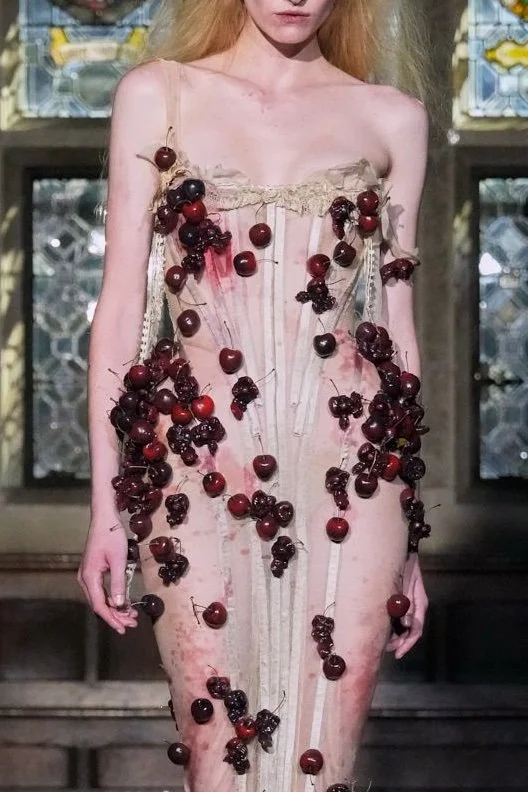
Dilara Findikoglu SS26 cherry stained dress
Dilara Findikoglu’s Vanguard Award is not just an accolade. It represents a changing industry landscape. She built her brand by cultivating her own subculture, long before major institutions recognised her. This reflects the new rule:
Micro-communities now fuel macro influence.
Boutique brands don’t need mass appeal; instead, they need sharp specificity.
Vogue Business has repeatedly highlighted that niche-driven brands, with tightly defined identities, achieve stronger conversion and more loyal communities than broad “lifestyle” labels.
For small brands, this is both liberating and challenging: You need to stand for something unmistakable.
5. The Fashion Awards remain a strategic funding engine for new talent
Beyond the glamour, The Fashion Awards serve a crucial structural role. They are the primary fundraiser for the BFC Foundation, which supports:
scholarships
designer development programmes
business grants for emerging brands
This underscores a systemic truth:
emerging designers need business support
creative talent alone is not enough
financially healthy brands are essential for sustainable growth
The industry is building support systems. Founders must be willing to use them.
6. The winning formula of 2025: Creativity plus operational excellence
This year’s winners reflected a shared pattern:
✔ clear positioning
✔ disciplined product strategy
✔ operations that protect cash flow
✔ marketing systems that drive demand
Creativity may open doors, but long-term success requires strategic consistency.
This aligns with insights across multiple industry analyses: the brands growing sustainably are not necessarily the most artistic, but the most structurally sound.
What small brands must take into 2026
The Fashion Awards 2025 showcased fashion at its cultural peak: narrative, innovation, individuality.
But what was absent on stage is precisely what small founders need most:
Sustainable brand-building.
Not just eco. Not just ethics. Sustainable in the sense of being financially and operationally capable of surviving the next decade.
Small brands will win when they pair:
→ Creative vision
with
→ Business systems
This is the model that built the winners of 2025.
It is the model that will build the winners of 2030.
If you want 2026 to be a breakthrough year, take the real lesson from fashion’s biggest night:
Be creative, yes.
But be a CEO first.
To help founders assess their next step, Fashion Brand Advisor created two diagnostic tools based on the best industry practices combined with the frameworks used by top consulting groups, such as McKinsey:
One for early stage founders who need to validate an idea [TAKE A QUIZ]
One for existing brands trying to identify the gaps that restrict growth [TAKE A QUIZ]
Both tools follow evidence based evaluation criteria grounded in market fit, demand signals, strategic clarity and operational readiness.
If you want to diagnose whether your idea has growth potential or requires a pivot, you can take the quiz and receive a tailored analysis of your results.