Why luxury brands use outlets, and what this means for your brand’s profitability
Luxury outlets are not a clearance tactic anymore. This was the key insight after visiting Bicester Village near Oxford in the UK, which inspired me to write this research.
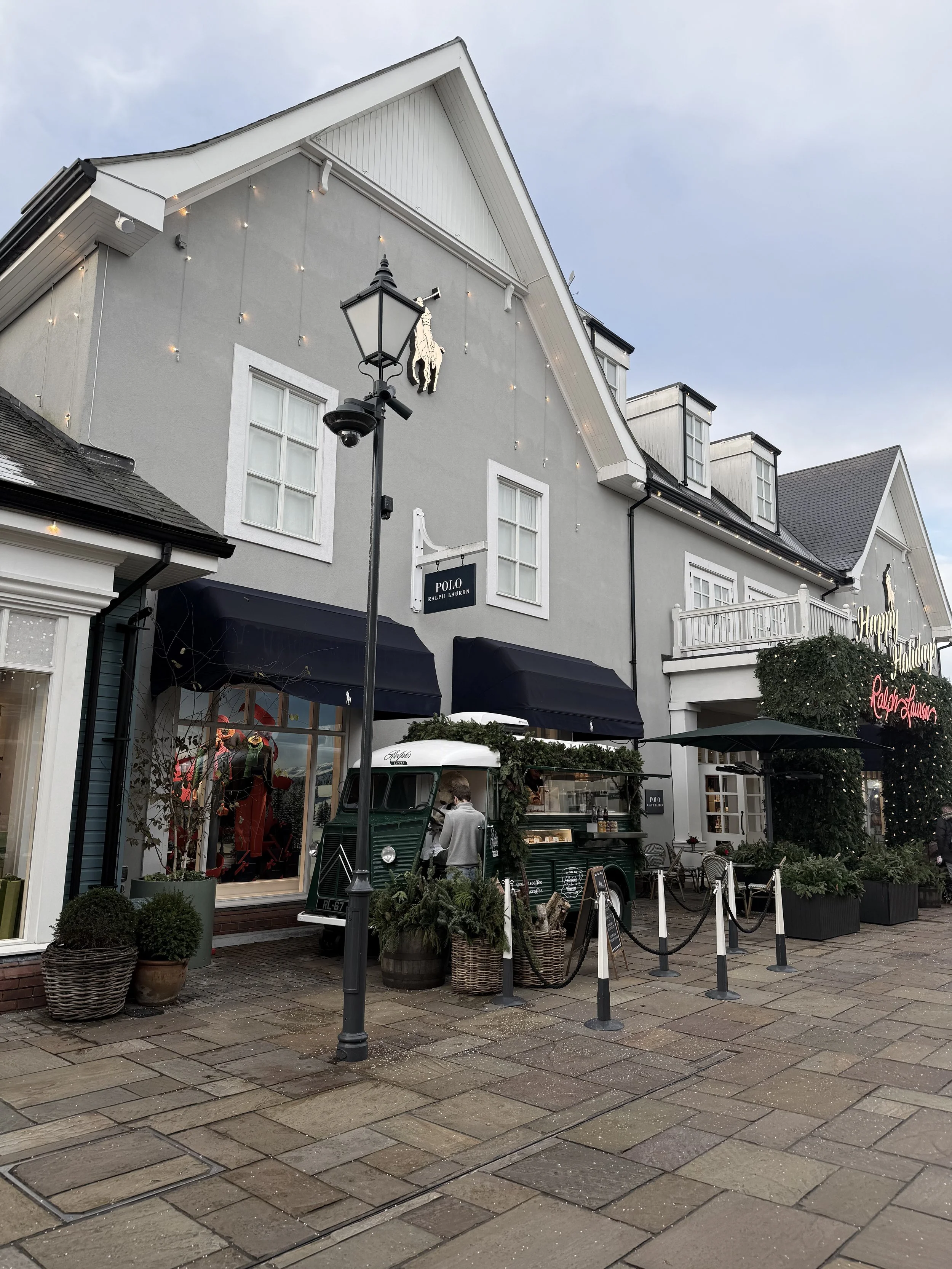
Ralph Lauren in Bicester Village, Oxford, UK (Image: FBA)
For decades, the world’s largest fashion houses have used outlets as a structured extension of their business model. Today, that strategy has become even more critical as global demand softens, production costs rise, and regulators restrict waste practices.
For independent founders, the lesson is not to start discounting. The lesson is to understand how inventory, pricing power, and surplus risk are professionally managed at scale.
Overproduction is not a mistake. It Is a known variable.
At industry level, between 10–35% of fashion inventory globally enters markdown cycles every season, according to aggregated data from The Business of Fashion and retail analytics platforms.
Luxury is not immune to this. Even the most disciplined houses forecast that a defined percentage of production will not sell at full price. This is not failure. It is built into commercial planning.
What matters is where that inventory goes next.
Luxury brands use outlets to:
Recover capital from unsold goods
Maintain full-price stability in core stores and avoid diluting the brand for the core audience
Avoid dependency on wholesale liquidators
Stay compliant with tightening waste regulations
Founders who do not plan for surplus are forced into reactive discounting, which damages pricing integrity and cash flow predictability, not to mention the risk of diluting positioning and creating confusion for customers about the brand.
Regulation has removed the “burn it” option
Until recently, luxury could quietly destroy unsold stock. You might have heard the stories. That option is disappearing.

Image: Screenshot taken from Forbes
Since 2022, France has legally banned the destruction of unsold textile goods. Similar environmental compliance laws are expanding across the EU.
This has permanently shifted surplus strategy toward:
Outlet redistribution
Recommerce
Archival resale
Donation and recycling programs
For founders, this signals something bigger:
Product responsibility now affects brand credibility and compliance, not just ethics.
The resale and archive ecosystem is no longer optional. It is becoming part of the commercial infrastructure of fashion.
Outlets are now a customer acquisition channel
Luxury outlets now function as controlled entry points into premium brands.
Many first-time luxury customers are introduced through outlet purchases. If their experience meets expectations, they return later as full-price clients.
Another important point is that some brands mix old collections (discounted) with new collections (full price). Some brands, such as Reese and Barbour, have only a small percentage of discounted items, with the rest at full price. Yet the stores remain full of customers browsing and buying.
Outlets now serve four simultaneous roles:
Inventory release
Brand discovery
Tourist retail (full-price and discounted models). I usually see many tourists with suitcases for the new items they have bought
Entry-level acquisition
For small brands, this reframes discounting entirely.
Discounts are either:
A panic response to cash pressure
Or a structured acquisition strategy
Only one of these builds long-term enterprise value.
What founders should apply immediately
You do not need physical outlets to apply outlet logic. You need price architecture and channel discipline.
➤ Separate full-price and discount environments
Create a dedicated archive or sample-sale channel. Never allow your main shop to become a discount destination.
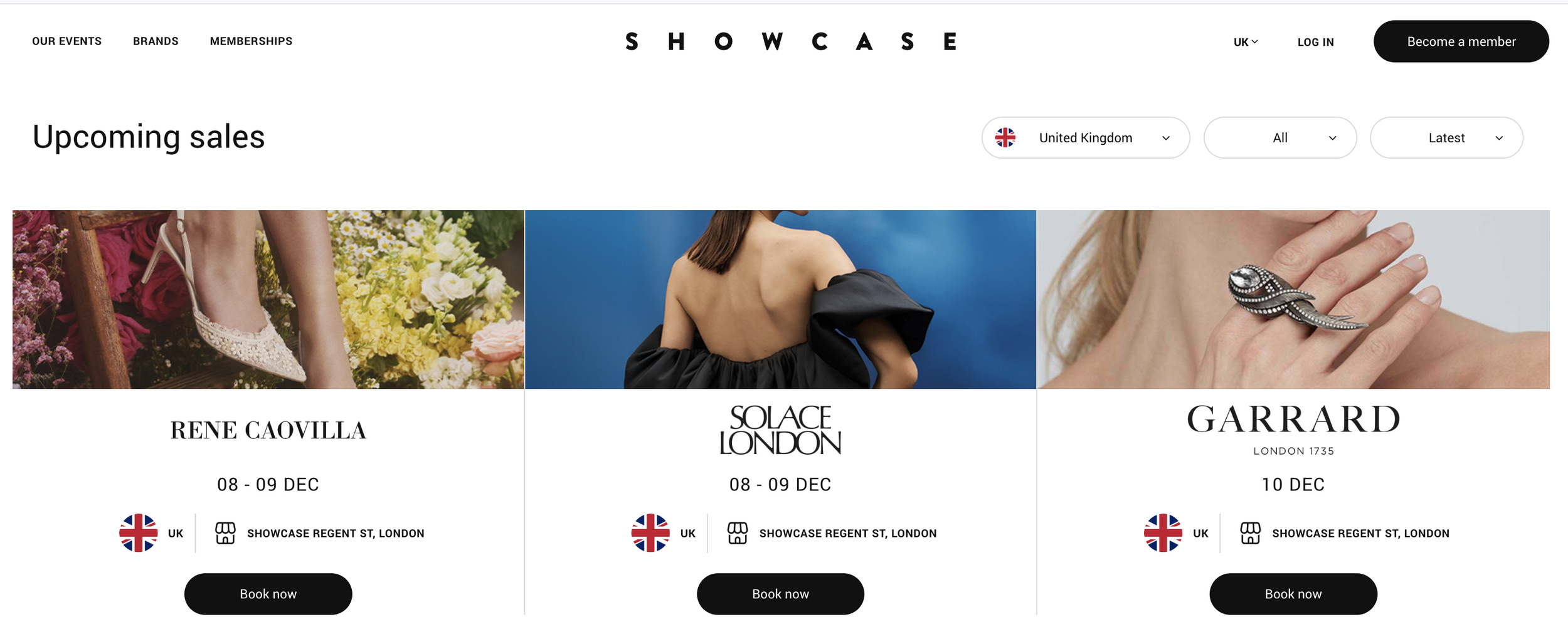
Showcase work with an ever-expanding collection of the worlds most luxurious brands, organising exclusive sample sales around the world, and online. (Active link)
➤ Plan markdown into your financial model
Forecast:
Full-price sell-through
Expected markdown volume
Recovery margin at discount
This stabilises cash flow forecasting and reduces panic decisions.
➤ Protect hero products
Luxury protects its icons. Founders should do the same. Not every SKU deserves markdown access. In other words, hero products are never on sale.
➤ Use discount sales as market research
Your archive sales reveal:
What price was misjudged
What design lacked demand
What colours underperformed
This data should reshape future collections, or the way you plan your collections in the future.
➤ Communicate circular discipline
How you handle unsold pieces now directly impacts:
Brand trust
Customer loyalty
Regulatory future-proofing
Archive does not mean failure. It means controlled lifecycle management.
The strategic insight:
Luxury outlets exist because luxury treats inventory as a financial asset.
For independent founders, the real danger is not having surplus.
The danger is:
Letting surplus control your pricing
Letting urgency control your strategy
Letting unsold stock damage your future collections
Luxury does not discount to survive. Luxury discounts to protect what matters most: pricing authority and long-term brand equity.
That is the core lesson.
__________________________
To help founders assess their next step, Fashion Brand Advisor created two diagnostic tools based on the best industry practices combined with the frameworks used by top consulting groups, such as McKinsey:
One for early stage founders who need to validate an idea [TAKE A QUIZ]
One for existing brands trying to identify the gaps that restrict growth [TAKE A QUIZ]
Both tools follow evidence based evaluation criteria grounded in market fit, demand signals, strategic clarity and operational readiness.
If you want to diagnose whether your idea has growth potential or requires a pivot, you can take the quiz and receive a tailored analysis of your results.